

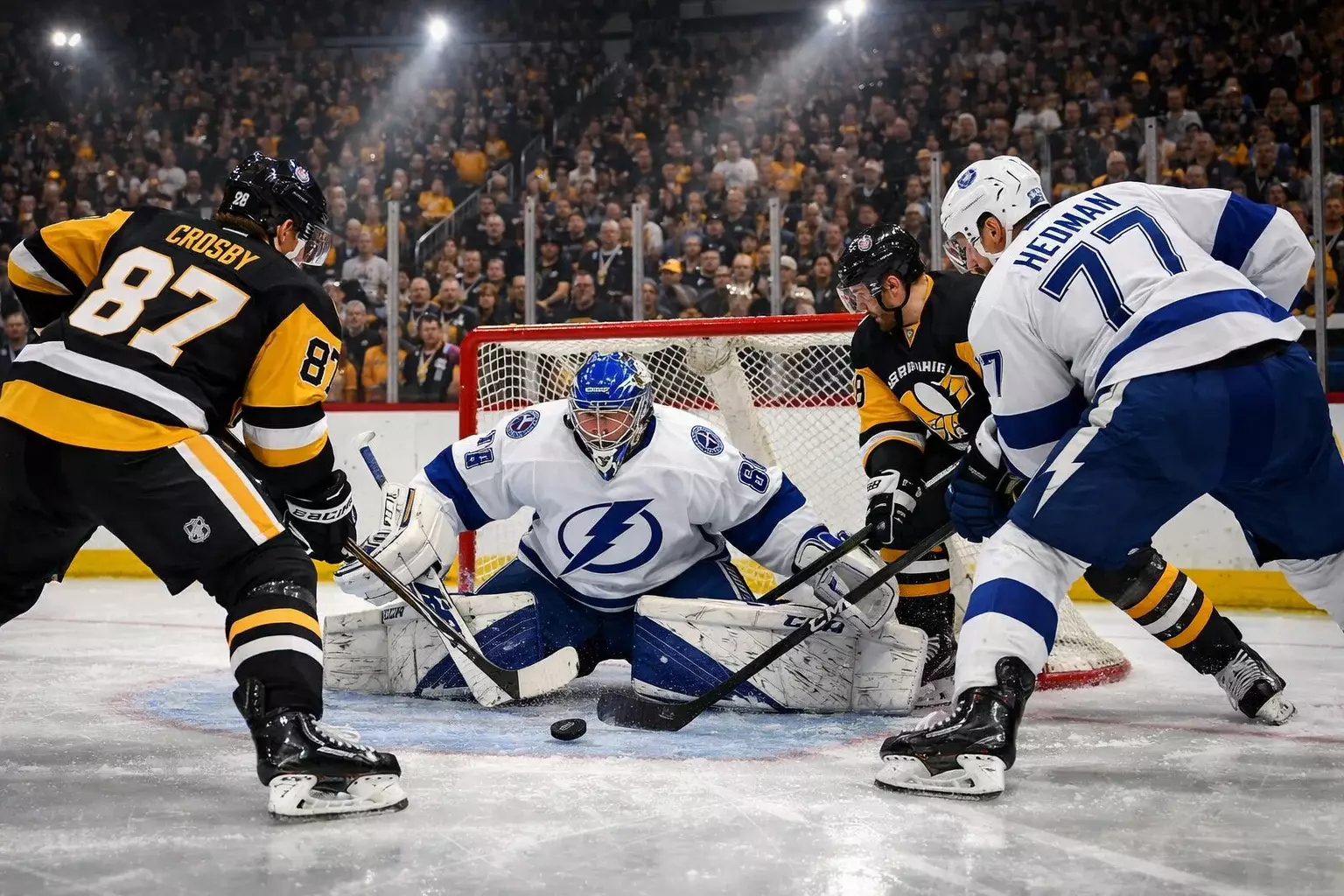
Playoff hockey occupies a unique space in professional sports. The intensity ratchets up several notches from the regular season, players block shots they would never dream of blocking in January, and goaltenders transform into brick walls capable of stealing entire series. For bettors, this transformation creates both opportunities and pitfalls that require a fundamentally different approach than the one that worked during the 82-game grind.
The betting markets during NHL playoffs expand dramatically compared to the regular season. Beyond standard game lines, you can wager on series outcomes, exact series lengths, conference champions, Conn Smythe Trophy winners, and of course the Stanley Cup itself. Each market has its own dynamics, its own inefficiencies, and its own strategies for finding value. Bettors who simply apply regular season approaches without adjustment often find themselves on the wrong side of playoff variance.
This guide covers everything you need to know about betting on NHL playoff hockey. From timing your Stanley Cup futures to navigating series pricing to understanding how playoff games differ from regular season contests, you will develop a comprehensive framework for approaching the most exciting time on the hockey calendar. The playoffs reward preparation, and the information here will help you enter the postseason with a strategic edge.
Stanley Cup Futures & Outright Markets

Stanley Cup futures represent some of the most interesting long-term betting opportunities in hockey. You can place a futures bet on any team to win the championship, with odds reflecting each team’s perceived probability of hoisting the Cup. These bets can be placed at any point from the preseason through the conference finals, with odds adjusting constantly based on team performance, injuries, and market action.
Pre-season futures offer the longest odds but also the most uncertainty. Betting on a Stanley Cup winner before a single regular season game has been played requires projecting how rosters will perform, how injuries will unfold, and which teams will peak at the right time. The advantage of early futures is the price: a contender that opens at +1200 in October might be +600 by February and +300 entering the playoffs. Locking in the longer odds rewards those who correctly identify contenders before the market does.
Mid-season futures allow you to incorporate actual performance data into your analysis. By January or February, you have a substantial sample of games to evaluate. Teams that started slowly but are heating up might offer value if the market has not fully adjusted. Conversely, early season darlings who are regressing toward their true talent level might be overpriced based on outdated perceptions. The challenge is distinguishing genuine improvement or decline from normal variance in a sport with significant game-to-game randomness.
Conference and division futures provide smaller-scope alternatives to the Stanley Cup outright market. Betting a team to win the Western Conference or the Atlantic Division requires fewer things to go right than a full championship run. These markets can be useful for expressing conviction in a team without needing them to win four playoff series. The odds are correspondingly shorter, but the probability of success is higher.
Timing your futures bets is arguably the most important strategic decision in this market. The optimal approach depends on your information advantage. If you have strong preseason convictions about teams the market is undervaluing, early bets capture the best odds. If you prefer waiting for data, mid-season offers a balance between information and price. Some bettors even wait until the playoffs begin, accepting shorter odds in exchange for knowing the bracket, the matchups, and any late-season injuries.
One underappreciated aspect of futures betting is the ability to bet on multiple teams. Rather than putting all your money on a single championship pick, spreading action across several contenders at favorable prices can improve your expected value. If you can identify four or five teams with positive expected value at their current odds, betting all of them creates a portfolio approach that smooths out the variance inherent in any single championship run.
Playoff Series Betting

Once the playoff bracket is set, series betting markets open up with their own strategic considerations. The most straightforward series bet is simply picking which team will advance. Unlike game betting where you are evaluating a single 60-minute contest, series betting requires thinking about how teams match up over four to seven games and which factors become more or less important as a series progresses.
Series winner markets are priced based on the regular season results, home ice advantage, and market sentiment. The favorite in a series typically has odds ranging from -150 to -300 depending on the perceived mismatch, while underdogs range from +125 to +250 in most first-round matchups. The key insight for series betting is that hockey playoffs are substantially more unpredictable than regular season records suggest. Hot goaltenders can steal series, injuries can derail favorites, and the small sample size of seven games allows for significant variance.
Exact series length betting asks you to predict not just who wins but how many games the series will last. You might bet on Tampa Bay to win in 6 games, or Toronto to win in 7. These bets offer higher payouts than simple series winner wagers because you are being more specific. The challenge is that exact length is genuinely difficult to predict: even significant favorites lose games, and underdogs frequently push series longer than expected. Historically, series going the full seven games happen roughly 25-27% of the time in the NHL playoffs, which many bettors underestimate.
Series spreads function like point spreads but apply to the number of games won. A -1.5 series spread means your team needs to win the series by at least two games in the series win count, which effectively means winning in 4, 5, or 6 games but not 7. Series spreads offer better prices than series winner bets on favorites but require more dominant performances. They are most attractive when you believe a matchup is genuinely lopsided rather than just betting on the better regular season team.
Combining series bets with game bets within that series creates hedging opportunities. If you have a series winner bet on an underdog who takes a 2-1 lead, you can bet the favorite in Game 4 to lock in profit regardless of outcome. This dynamic hedging approach treats series and game bets as complementary rather than separate, allowing you to manage risk throughout a series rather than simply waiting for the final result.
Playoff Game Betting Adjustments
The style of play in NHL playoffs differs markedly from the regular season, and successful playoff bettors adjust their analysis accordingly. Understanding these differences is essential for finding value in game-by-game betting throughout the postseason.
Defensive play tightens significantly in the playoffs. Coaches shorten their benches, relying more heavily on their top players and trusting defensive specialists in crucial situations. Shot attempts that would be allowed during a meaningless February game get blocked, contested, or simply not taken. This defensive intensity directly affects scoring, which is why playoff totals are typically lower than regular season averages for the same teams.
The goaltending premium becomes enormous in playoff hockey. A hot goaltender can single-handedly change a series, stopping shots that would normally find the net and demoralizing opposing offenses. Evaluating goaltender form entering the playoffs and tracking their performance as series progress is more important than during the regular season. A team with a mediocre regular season record but an elite goaltender playing his best hockey in April can upset significantly more talented opponents.
Rest days between games matter more in playoffs than many bettors realize. The physical toll of playoff hockey is immense, and teams playing on consecutive days or with minimal rest show measurable decline in performance metrics. Travel also factors in: a team flying cross-country for a Game 5 faces different circumstances than one playing at home with two days rest. These situational factors that might represent marginal edges during the regular season become more significant in the condensed, high-intensity playoff environment.
Home ice advantage is real but often overstated in playoff hockey. The team with home ice hosts Games 1, 2, 5, and 7, which matters but does not guarantee success. Historical data shows home teams win approximately 54-55% of playoff games, a meaningful but not overwhelming advantage. More importantly, the value of home ice is already priced into the betting lines, so simply betting home teams is not a winning strategy. The edge comes from identifying specific situations where home ice is more or less valuable than the market suggests.
Line matching becomes more sophisticated in playoff series. Coaches have time to prepare for specific opponents and deploy their players accordingly. A top line that dominated during the regular season might face a shutdown assignment every shift in the playoffs, suppressing their production. Understanding which matchups favor which players helps in both game betting and player prop markets during the postseason. Before the playoffs even begin, savvy bettors often look for early value by analyzing the Stanley Cup futures odds during the regular season.
Conn Smythe Trophy Betting
The Conn Smythe Trophy is awarded to the Most Valuable Player of the NHL playoffs, and the futures market for this award creates interesting betting opportunities. Unlike regular season awards that depend on full-season performance, the Conn Smythe is determined by a roughly two-month playoff run, making it more predictable in some ways and less predictable in others.
Historical trends provide useful context for Conn Smythe betting. The award has gone to a goaltender approximately 31% of the time since its inception, a rate higher than you might expect given that goaltenders represent a small fraction of the player pool. This reflects the outsized impact a dominant playoff goaltender can have, especially on teams that win the Cup with strong defensive structures. When betting Conn Smythe futures, goaltenders on contending teams often offer value relative to their odds.
The award almost always goes to a player on the Stanley Cup winning team, though there have been rare exceptions where a player from the losing finalist received the honor. This means Conn Smythe betting is highly correlated with your Stanley Cup predictions. If you believe a particular team will win the championship, you should focus your Conn Smythe bets on players from that roster. Combining a Stanley Cup futures bet with a Conn Smythe bet on the same team’s star player or goaltender creates a natural parlay of sorts.
Betting strategy for the Conn Smythe often involves waiting until the playoffs are underway. As teams advance and individual players establish themselves as playoff performers, the field narrows and probabilities become clearer. A goaltender posting a .940 save percentage through two rounds becomes a legitimate Conn Smythe contender even if his preseason odds were long. Live betting the Conn Smythe market as the playoffs progress allows you to incorporate actual performance rather than relying solely on preseason projections.
The skaters who win the Conn Smythe tend to be either dominant offensive producers who carry their teams through series or elite two-way players who contribute at both ends. Defensemen win less frequently than forwards but have taken the award when their play has been transcendent. Understanding which player archetypes historically win helps focus your betting on realistic candidates rather than spreading money across too many long shots.
Playoff Betting Strategies

Series pricing inefficiencies are more common than game pricing inefficiencies in playoff betting. Sportsbooks are very good at setting single-game lines based on sophisticated models, but series outcomes involve more variables and more uncertainty that creates opportunities for sharp bettors. Teams with specific stylistic advantages in a matchup, or teams whose stars have historically elevated their play in the postseason, may be undervalued in series markets even when game lines are efficient.
Live betting during playoff games offers unique opportunities because of the high stakes and emotional swings involved. A team that falls behind early in a pivotal game may see their live odds crater, but playoff hockey is characterized by comebacks and momentum shifts that regular season games often lack. If your pregame analysis suggested the trailing team was the better side, their odds at +200 or +300 down a goal or two might represent significant value. The key is having a plan before the game starts so you can act decisively when live opportunities emerge.
Hedging futures bets is a common playoff betting tactic that requires careful thought about when and how to execute. Suppose you bet a team at +2000 before the season and they reach the Stanley Cup Final. You now have a bet that will pay handsomely if they win but returns nothing if they lose the last series. Hedging by betting the opponent allows you to lock in guaranteed profit regardless of outcome, but it also reduces your maximum upside. The mathematically optimal hedge depends on your risk tolerance and how much of your bankroll is tied up in the original futures bet.
The decision of whether to hedge also depends on your assessment of the matchup. If your futures team is facing a significantly weaker opponent in the Final, hedging less (or not at all) might be correct because your original bet is already the higher probability outcome. If your team is an underdog in the Final, hedging more aggressively makes sense. Some bettors also use partial hedges, betting enough on the opponent to guarantee some profit while still leaving meaningful upside if their original pick comes through.
Middle opportunities occasionally arise in playoff series, particularly when odds swing dramatically based on single-game results. If you have a series bet on Team A and they take a 3-1 lead, the series odds might shift so dramatically that betting Team B creates a middle: you win both bets if Team B comes back to win in 7, win one and lose one in most other scenarios, and still profit overall. These opportunities are rare and require both the right circumstances and the willingness to bet against your original position.
Historical Betting Trends

Understanding historical patterns in playoff hockey helps calibrate your expectations and identify potential edges. While past performance does not guarantee future results, certain trends have proven remarkably persistent over decades of playoff hockey.
Underdog performance in the playoffs exceeds what regular season records would predict. The compressed playoff format and increased variance benefit underdogs, who need to catch fire for only a few weeks rather than sustain excellence over six months. Historical data shows that series underdogs win approximately 35-40% of first-round matchups, a rate high enough that blindly betting playoff underdogs would produce relatively small losses compared to the expected value loss from random betting. This does not mean all underdogs are good bets, but it suggests the market may systematically underprice their chances.
Overtime frequency increases substantially in the playoffs compared to the regular season. The combination of tighter checking, better goaltending, and higher stakes leads to more games reaching extra time. Approximately 22-25% of playoff games go to overtime, compared to about 23% in the regular season, but the perception of increased overtime is often higher because these games carry more significance and memorable overtime moments stick in fans’ memories. For bettors, this elevated overtime rate matters for puck line and period betting markets.
Goal totals in playoffs tend to be lower than regular season totals for the same teams. This is a direct consequence of the defensive tightening and goaltending elevation discussed earlier. Bettors who simply use regular season scoring averages to evaluate playoff totals will systematically overestimate scoring. Historical playoff totals have averaged approximately 0.3 to 0.5 goals per game lower than regular season games involving the same teams. Sharp totals bettors adjust their models accordingly when transitioning from regular season to playoff betting.
The importance of special teams becomes magnified in playoff hockey, where power plays are harder to come by but more frequently decisive. Teams with elite power plays can swing series with a few timely conversions, while strong penalty kills keep underdogs in games they might otherwise lose. Evaluating special teams performance, and understanding when the regular season numbers might not translate to playoff success, is crucial for both series and game betting.
Building Your Playoff Betting Approach

Successful playoff betting requires adapting your regular season approach to the unique characteristics of postseason hockey. The intensity increases, the margins shrink, and the variance in outcomes rises. Bettors who recognize these shifts and adjust their strategies accordingly outperform those who simply apply the same methods year-round.
Start by reassessing your futures positions as the playoffs approach. If you placed preseason bets, evaluate whether those teams are entering the playoffs in good form, with healthy rosters, and with favorable matchups. Consider adding to positions that look stronger than expected or hedging positions that look weaker. The playoffs are a new season in many ways, and your betting portfolio should reflect current reality rather than October predictions.
As each round begins, analyze the series matchups with fresh eyes. Regular season head-to-head results matter but can mislead: teams may have rested players, experimented with lineups, or simply played at different intensity levels during meaningless late-season games. Focus instead on stylistic matchups, goaltender form, special teams efficiency, and historical playoff performance of key players and coaches.
Within series, track how teams adjust from game to game. Coaches make strategic changes based on what worked and what did not, and these adjustments can swing subsequent games. A team that lost Game 1 because their opponent exploited a defensive weakness may have fixed that weakness by Game 3. Staying attuned to these in-series adjustments helps you find value as lines react to game results without fully accounting for tactical changes.
Finally, manage your bankroll carefully during the playoffs. The excitement and extended schedule can lead to overbetting, and the higher variance of playoff outcomes means larger swings in your balance. Stick to your unit sizing discipline even when tempted to go bigger on a game that feels like a sure thing. The surest things in hockey can still lose, and protecting your bankroll ensures you remain in action throughout the entire postseason.
Conclusion
NHL playoff betting offers a unique combination of excitement and strategic depth that rewards bettors who take the time to understand its nuances. From long-term Stanley Cup futures to series betting to individual game handicapping, the postseason creates opportunities at every level for those willing to adapt their approach to the heightened intensity of playoff hockey.
The key themes of this guide bear repeating: playoff hockey is different from regular season hockey in ways that matter for betting. Defensive play tightens, goaltending becomes paramount, and the variance in outcomes increases. Series betting requires thinking across multiple games rather than single contests, and futures betting demands patience and conviction over extended timeframes.
As you approach each playoff season, use the frameworks discussed here to evaluate opportunities systematically. Identify teams and players positioned to exceed expectations, find value in series and futures markets before the public pushes odds to efficient levels, and stay disciplined with your bankroll throughout the long postseason grind. The Stanley Cup is the hardest trophy to win in professional sports, and betting on its pursuit successfully is similarly demanding. The challenge is what makes it rewarding.
Rely on an expert hockey betting site to help you navigate the intense and unpredictable postseason environment.
