


No position in major professional sports affects betting outcomes quite like the goaltender in hockey. A single player standing between the pipes can transform a mediocre team into a playoff contender or drag down a talented roster through inconsistent play. For bettors, understanding goaltender impact is not optional but essential. Ignoring who is in net when placing NHL bets is like ignoring the starting pitcher in baseball or the weather in outdoor football games.
The unique nature of goaltending creates both challenges and opportunities for hockey bettors. Unlike skaters who share ice time and responsibilities, the starting goaltender handles the entire workload and bears singular accountability for goals allowed. A backup stepping in for an injured starter can move betting lines by 20 or 30 cents, sometimes more. Learning to evaluate goaltenders, track their form, and understand how the market prices different goalie situations gives you an edge that casual bettors lack.
This guide covers everything you need to know about incorporating goaltender analysis into your NHL betting approach. From the key statistics that measure goalie performance to strategies for finding value when backups start, you will develop a framework for making goaltending a core part of your handicapping process.
Key Goaltender Statistics for Bettors
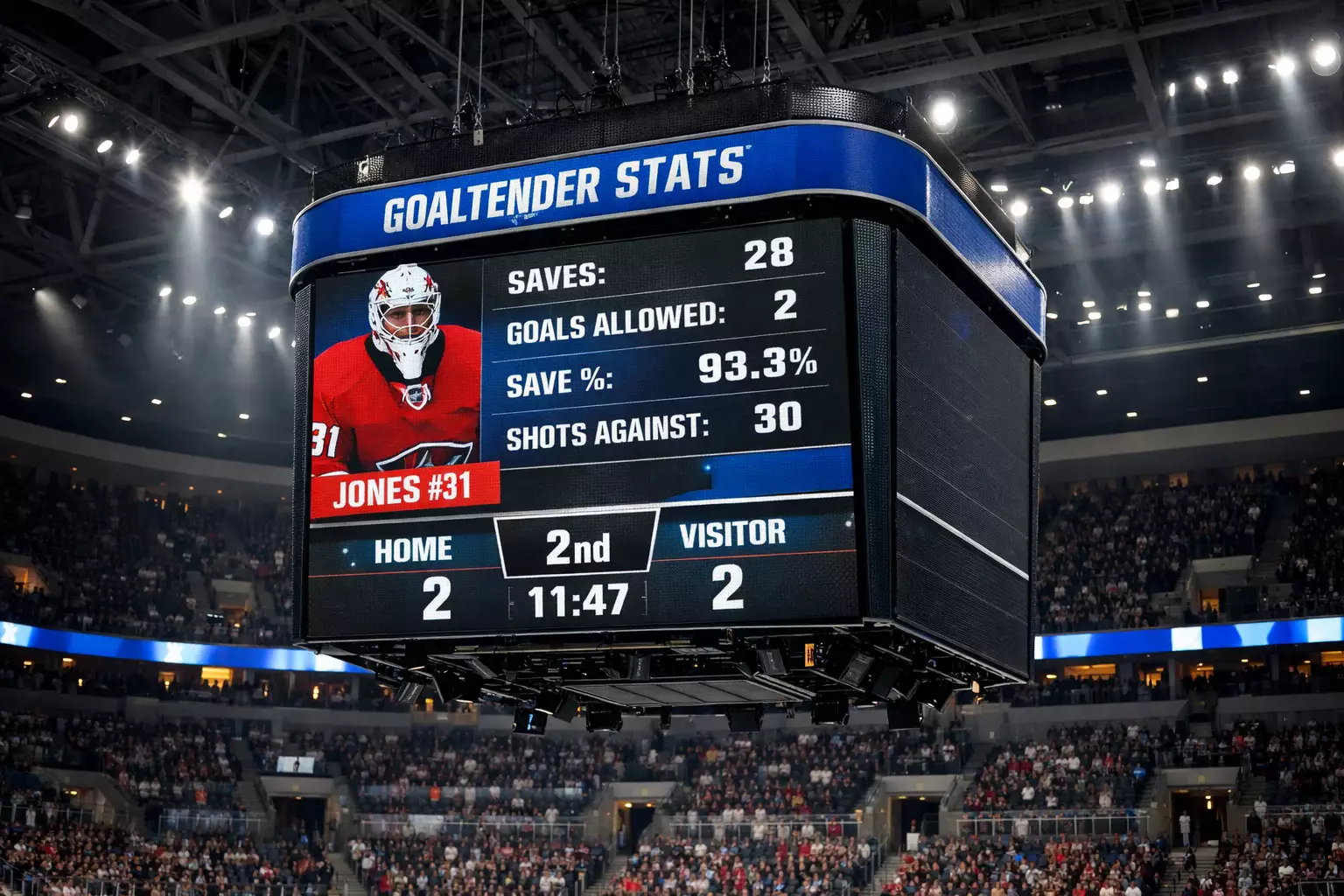
Save percentage is the most fundamental goaltender statistic and the starting point for any analysis. It measures the proportion of shots faced that a goaltender stops, expressed as a decimal like .915 or .923. The league average save percentage hovers around .900 to .905 in a typical season, so goaltenders above .910 are performing well and those above .920 are among the elite. The simplicity of save percentage makes it accessible, but it treats all shots equally and does not account for shot quality.
Goals against average represents the average number of goals a goaltender allows per 60 minutes of play. A GAA of 2.50 means the goalie allows roughly two and a half goals per full game on average. Like save percentage, GAA is easy to understand but has limitations. It is heavily influenced by team defense: a goaltender facing 25 high-quality shots per game will have a worse GAA than one facing 30 low-quality shots, even if both are equally skilled. GAA is most useful when comparing goaltenders on the same team over time, controlling for team factors.
Quality start percentage offers a more contextual view of goaltender performance. A quality start is typically defined as any game where the goaltender’s save percentage exceeds the league average, or alternatively where they face 20 or fewer shots and maintain a save percentage above .885. Quality start percentage tells you how often a goaltender gives his team a chance to win, which is ultimately what matters for betting purposes. A goalie with a .910 save percentage but a 65% quality start rate is giving his team a solid foundation most nights.
Goals saved above expected, often abbreviated GSAx, represents the modern analytical approach to goaltender evaluation. This statistic uses expected goals models that account for shot location, shot type, game state, and other factors to calculate how many goals a goaltender should allow based on the shots they face. The difference between expected goals and actual goals allowed is the goaltender’s contribution. A positive GSAx means the goalie is stopping more than expected; negative means they are allowing more than a league-average goalie would facing the same shots.
High-danger save percentage focuses specifically on shots taken from the most dangerous areas of the ice, typically the slot and areas near the crease. These shots convert at much higher rates than perimeter shots, so a goaltender’s ability to stop them disproportionately affects outcomes. High-danger save percentage around .820 to .830 is solid; elite goaltenders post .840 or higher. This stat isolates goaltender skill better than raw save percentage because it controls for shot quality to some degree.
Understanding the relationships between these statistics helps build a complete picture. A goaltender with strong traditional stats (SV%, GAA) but weak GSAx is likely benefiting from a good defensive team and may regress. A goaltender with mediocre traditional stats but strong GSAx is probably getting poor defensive support and may be undervalued. The best analytical approach combines multiple statistics rather than relying on any single number.
Identifying Starting Goalies
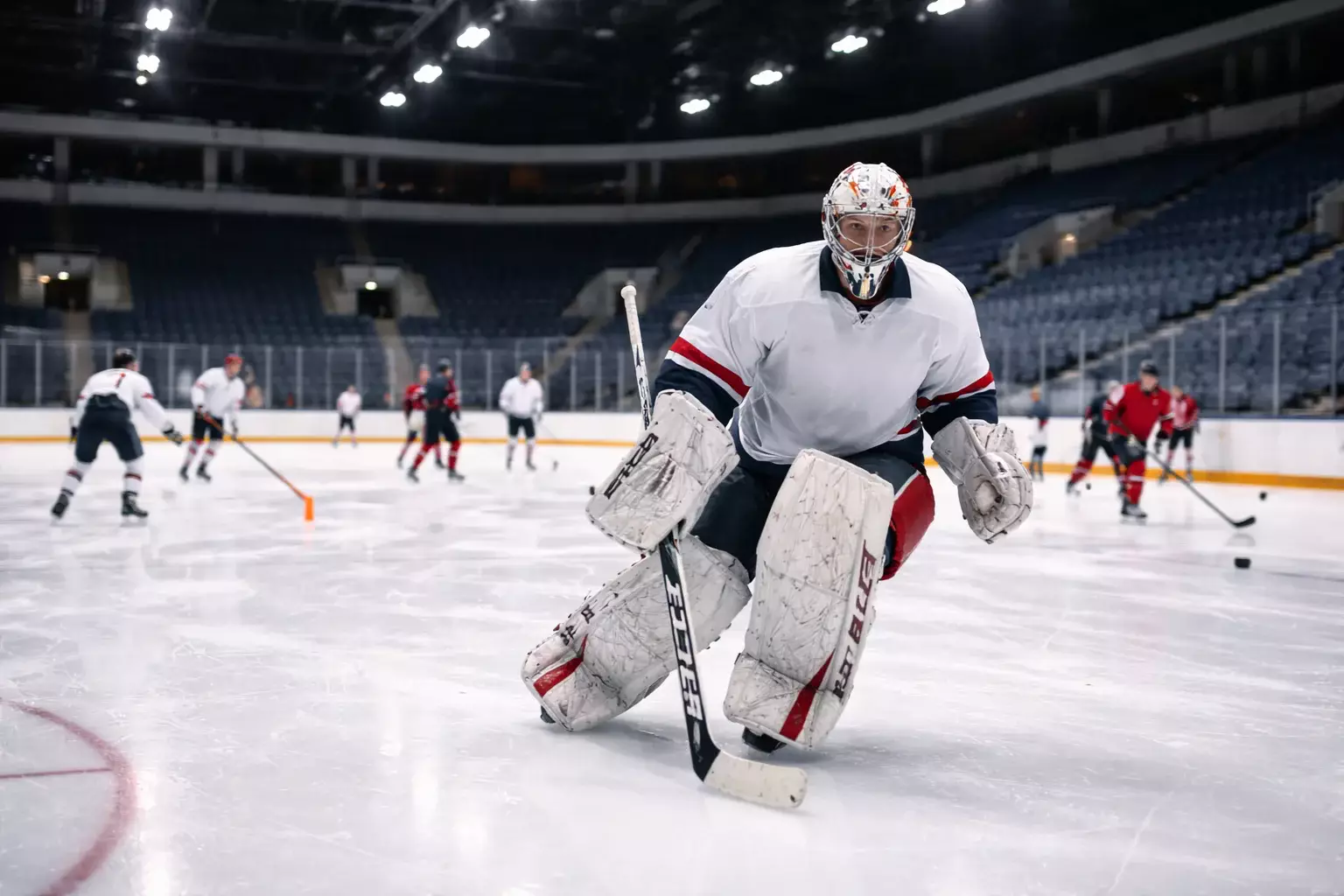
Knowing which goaltender will start is essential information for NHL betting, and the process of obtaining this information reliably requires understanding how and when teams announce their starters. Unlike other sports where lineups are set well in advance, NHL starting goalies are often not confirmed until the morning of the game or even during warmups.
Teams typically hold morning skates on game days, and the goaltender who leaves the ice first is usually the starter. Beat reporters and team insiders track these practices and tweet starting goalie information, often becoming the first public source. Following these reporters for the teams you bet on regularly is invaluable. The timing varies, but most starting goalie information becomes available between 10 AM and 12 PM local time on game days.
Back-to-back game situations create predictable patterns in goaltender deployment. Most NHL teams avoid starting the same goaltender on consecutive days, which means the backup typically gets the second game of a back-to-back set. However, this is not universal: some teams with elite starters and questionable backups will ride their number one even in back-to-backs, especially in meaningful late-season games. Understanding each team’s tendencies and the coach’s historical patterns helps predict starts before official announcements.
Some sportsbooks post lines before starting goalies are announced, pricing based on the expected starter. If you have information suggesting the backup will start before this is reflected in the line, you may find value betting immediately. Conversely, if the expected starter is announced and you were betting based on a backup assumption, adjusting or avoiding the bet entirely might be wise. The timing of your bets relative to goalie announcements is a strategic consideration.
Injuries and illness can disrupt expected starts with little warning. A goaltender might participate in morning skate but then be ruled out shortly before game time due to a minor injury or illness that was not publicly known. Following injury reports and understanding that late scratches happen helps manage the risk of being caught on the wrong side of a goalie switch after placing your bet.
Backup Goalie Situations

When a backup goaltender starts instead of the expected starter, betting lines adjust to reflect the perceived decline in goaltending quality. Understanding how to evaluate these situations separates sophisticated bettors from those who simply avoid backup goalie games entirely.
The market typically moves significantly when a backup is announced. A team that might be -150 favorites with their starter could become -120 or even -105 with the backup in net. The question for bettors is whether this adjustment is correct, too small, or too large. If the backup is genuinely poor, the line movement might not fully account for the downgrade. If the backup is a capable NHL goaltender getting limited playing time behind an elite starter, the line might overreact to the news.
Finding value with backup goaltenders requires evaluating them on their own merits rather than just comparing them to the starters they are replacing. Some backup goaltenders have NHL-caliber skills and post solid numbers in limited appearances. Others are clearly inferior and struggle when called upon. The statistics discussed earlier apply to backups just as they do to starters, though smaller sample sizes make evaluation trickier.
Quality backup identification involves looking at their historical performance, their minor league numbers if they are younger players, and their workload patterns. Backups who play regularly, perhaps 20-25 games per season, tend to stay sharper than those who go weeks between starts. A backup making his first start in three weeks faces rust issues that a backup who played five days ago does not. These situational factors matter beyond raw statistical quality.
The team context around backup starts also matters. Some teams have defensive systems that support goaltenders well, making the starter-backup gap smaller than it might be on a team that hangs its goaltenders out to dry. A backup starting behind a strong defensive team might be a better betting proposition than a starter behind a weak one. Always consider the full context rather than just the goaltender in isolation.
One counterintuitive approach is specifically targeting backup goalie games for betting opportunities. Because the market often overreacts to backup news, there can be systematic value in betting on teams with quality backups when the public is scared off by the absence of the starter. This contrarian angle does not work blindly, but applied selectively with proper backup evaluation, it creates edges that conventional approaches miss.
Goalie Matchup Analysis
Evaluating goaltender matchups within a game requires comparing both goaltenders while accounting for the teams in front of them. A seemingly favorable goalie matchup on paper can be neutralized by defensive system differences, and an unfavorable matchup can be less significant than expected if one team’s offense struggles to generate quality chances.
Head-to-head records between goaltenders and opposing teams can reveal meaningful patterns. Some goaltenders have historically struggled against certain opponents, whether due to stylistic matchups, building dimensions, or simply randomness in small samples. While you should not overweight historical records against specific teams, they can serve as a tiebreaker when other analysis is inconclusive or flag situations worth investigating further.
Team defensive systems affect how much goaltender quality matters. Teams that play a structured, defensively responsible game limit shot quality and allow their goaltender to see shots clearly. These teams have smaller performance gaps between their starter and backup because the system compensates for individual goaltender differences. Teams with aggressive, high-event playing styles expose their goaltenders to more difficult situations, amplifying the difference between elite and average netminding.
Workload considerations affect goaltender performance in predictable ways. Heavy workloads, measured by shots faced over recent games, can lead to fatigue that manifests in deteriorating numbers. A goaltender who has faced 35+ shots in three consecutive games may be showing wear that affects his next start. Conversely, a goaltender who has been rested with lighter workloads or days off between starts may be fresher than his season statistics suggest. Tracking recent workload provides context that raw statistics miss.
Travel and schedule factors interact with goaltender evaluation. Cross-country travel, back-to-back situations, and late-night games can affect goaltender readiness. These factors are often priced into lines to some degree, but identifying situations where the market has under or overweighted schedule considerations creates betting opportunities. A starting goaltender on the wrong end of a brutal road trip might underperform his usual standard even if he is nominally healthy and capable. Understanding the nuances of evaluating starting goaltenders is arguably the most critical skill for any serious hockey handicapper.
Betting Strategies by Goalie Situation
Different goaltender situations call for different betting approaches. Developing a framework for how to handle elite starters, struggling starters, hot backups, and controversy situations helps you act decisively when these scenarios arise.
Elite starters like Connor Hellebuyck, Igor Shesterkin, or whoever is dominating in a given season create challenges because their value is already priced into lines. You cannot simply bet on their team every night and expect to profit. However, elite starters may be underpriced in specific situations: facing weak opponents where the market expects a blowout and the goalie becomes an afterthought, returning from rest against a team that has not faced them recently, or in playoff scenarios where their ability to steal games becomes even more valuable.
Struggling starters present mirror-image opportunities. A goaltender in the midst of a poor stretch will have his struggles reflected in the line, but the market can overreact to recent results just as easily as it underreacts. If a usually solid goaltender has posted poor numbers in his last five starts but his underlying metrics suggest bad luck rather than fundamental decline, betting on his team might offer value as regression to the mean approaches. The key is distinguishing genuine slumps from temporary variance.
Hot backup scenarios occur when a backup goaltender strings together strong performances and starts taking games from the nominal starter. These situations are tricky because they involve uncertainty about who will even play, combined with evaluation uncertainty about whether the backup’s hot streak reflects genuine improvement or unsustainable performance. Following team news closely and understanding the coach’s historical tendencies in these situations helps navigate the ambiguity.
Goalie controversies, where two goaltenders are genuinely splitting time without a clear hierarchy, create betting complexity. Lines may be posted without knowing which goaltender starts, and the line may move significantly once the starter is announced. In these situations, having a view on both goaltenders rather than just one becomes important. You might see value betting the team regardless of which goaltender starts, or you might only want to bet if a specific goaltender is announced. Flexibility and preparation allow you to capitalize on controversy situations rather than avoiding them.
Goalie Props and Futures
Beyond their impact on team betting markets, goaltenders have their own prop and futures markets that create additional wagering opportunities. These goaltender-specific bets require specialized knowledge but can offer significant value for those who develop expertise.
Saves props ask whether a goaltender will record over or under a specified number of saves. Lines typically range from 25.5 to 32.5 depending on the expected game flow and opponent’s offensive strength. Evaluating saves props requires projecting shot volume, which depends on game pace, opponent shooting tendencies, and whether the goaltender’s team is likely to be protecting a lead or chasing the game. A goaltender facing a high-volume shooting team in a game his team might trail has higher saves upside than one facing a low-event opponent his team should dominate.
Vezina Trophy betting involves wagering on which goaltender will win the regular season award for best goaltender. This market opens before the season and adjusts throughout the year based on performance. The Vezina tends to go to goaltenders on playoff teams who post elite traditional statistics, though voter tendencies evolve over time. Betting Vezina futures requires projecting not just goaltender performance but team performance, since a goaltender on a non-playoff team rarely wins regardless of individual numbers.
Shutout props occasionally appear for individual games, typically at long odds given how rare shutouts are. These are generally lottery tickets rather than strategic bets, but they can make sense at the right price when a dominant goaltender faces a poor offensive team. The implied probability of the shutout line should be compared to the base rate of shutouts for that goaltender and against that opponent. Even then, the variance is high enough that shutout props should represent a tiny fraction of overall betting activity.
Goaltender wins props over the season ask how many games a specific goaltender will win during the regular season. These props are influenced by projected playing time, team quality, and the goaltender’s expected performance. A goaltender on an excellent team who plays 60 games has a much higher wins over/under than a backup or a starter on a weak team. Evaluating these props requires thinking about total team wins and goaltender share of those wins rather than goaltender skill in isolation.
Common Goaltender Betting Mistakes
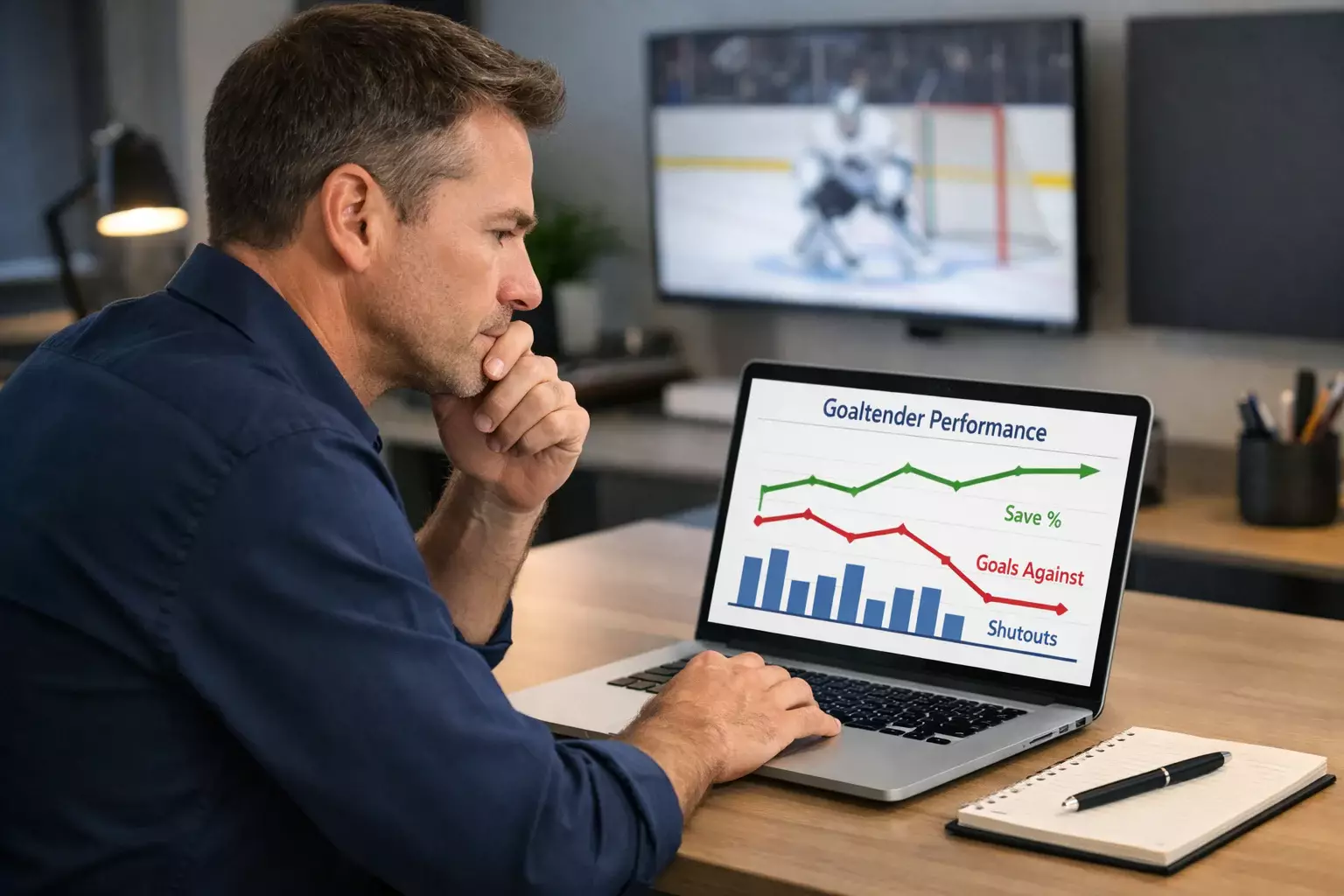
Several errors plague bettors who incorporate goaltender analysis into their handicapping. Understanding these common mistakes helps you avoid them and potentially exploit others who fall into these traps.
Overreacting to single-game performances is perhaps the most common error. Goaltending is a high-variance position, and a shutout one night followed by a five-goal disaster the next does not necessarily mean anything changed. Small samples of games tell you very little about goaltender quality or future performance. Always contextualize recent results within the larger body of work and underlying metrics before adjusting your assessment of a goaltender.
Ignoring team context when evaluating goaltenders leads to misattribution of credit and blame. A goaltender posting a .925 save percentage behind an elite defensive team is not necessarily better than one posting .910 behind a sieve. Properly isolating goaltender contributions from team contributions requires expected goals metrics and contextual analysis. Betting based solely on raw statistics without understanding their context leads to systematically misevaluating goaltenders.
Failing to account for workload and rest can cause you to miss predictable performance fluctuations. Goaltenders are human athletes who fatigue and recover like anyone else. Betting on a tired goaltender at the same rate as a fresh one ignores information that should affect your projections. Similarly, not considering the quality of the backup when evaluating starter situations misses a relevant factor in team quality assessment.
Assuming goalie announcements are final until puck drop courts disaster. Late scratches happen, and being locked into a bet based on an announced starter who does not actually play can turn a value bet into a poor one instantly. Some bettors wait until closer to game time to place bets, sacrificing potentially better early odds for certainty about who is starting. There is no universally correct approach, but understanding the risk of late changes should inform your timing decisions.
Neglecting the goaltender entirely is the opposite mistake from overemphasizing individual performances. Some bettors focus so heavily on skater analysis, team systems, and situational factors that they treat goaltending as a random input. This approach misses one of the most impactful single factors in hockey betting. The correct approach lies between overreaction and neglect: weighting goaltending appropriately within a comprehensive analytical framework.
Building Goaltender Analysis Into Your Process
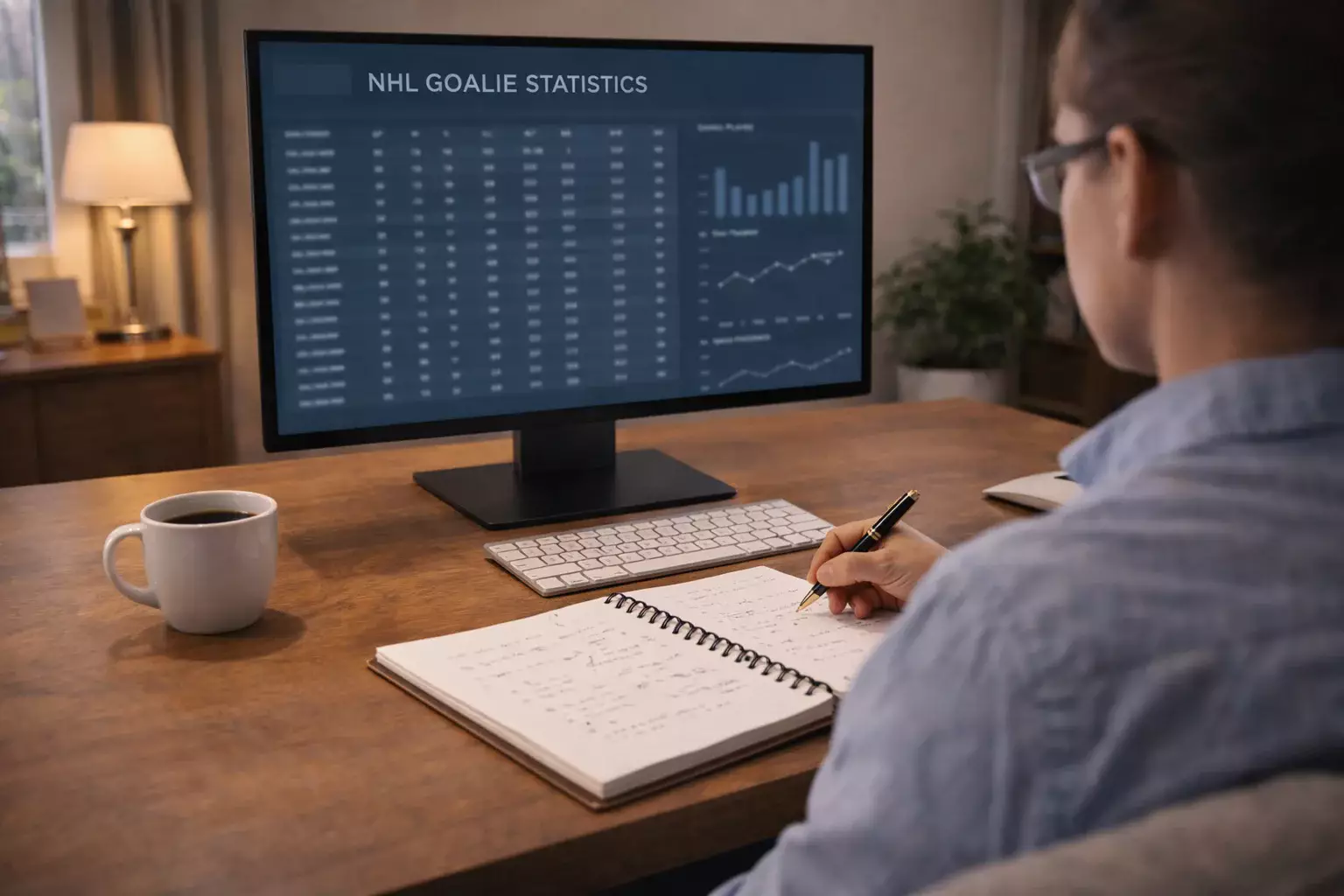
Integrating goaltender evaluation into your overall NHL betting approach requires establishing systems for gathering information, analyzing it efficiently, and applying it consistently. The goal is making goaltender analysis a habitual part of your handicapping rather than an afterthought.
Create a morning routine for game days that includes checking starting goalie announcements for all games you are considering betting. Follow beat reporters on social media, bookmark reliable goalie tracking websites, and set up alerts if possible. Having confirmed starting goalie information before you make betting decisions ensures you are not caught off guard by unexpected backup starts.
Maintain a running assessment of goaltender form for teams you bet on frequently. This does not need to be elaborate: a simple tracking of recent starts, save percentages, and any notable trends allows you to quickly contextualize new information. Knowing that a certain goaltender has been struggling for two weeks gives you a framework for evaluating tonight’s matchup that you would lack without ongoing attention.
Develop rules of thumb for how much goaltender changes should affect your betting. These will vary based on your analysis, but having guidelines helps you act consistently. You might decide that a backup start adjusts your projected spread by half a goal, or that you require a certain threshold of starter quality before betting team totals unders. These heuristics are not perfect but prevent you from either ignoring or overweighting goaltender information inconsistently.
Finally, track your results with attention to goaltender-related factors. When you win or lose bets, note whether goaltender performance aligned with or diverged from your expectations. Over time, this tracking reveals whether your goaltender analysis is actually adding value to your betting or whether you are misjudging this component. Honest assessment of what is working and what is not allows continuous improvement.
Conclusion
Goaltender analysis is not an optional add-on to NHL betting but a fundamental component that affects virtually every wager. The unique role goalies play in hockey, standing alone as the last line of defense, creates impact that no other position in major sports can match. Bettors who ignore this impact handicap themselves against those who incorporate goaltender evaluation into their process.
The statistics covered here provide the foundation for goaltender analysis, but the real skill lies in applying them contextually. Team defense, workload, matchups, and situational factors all mediate how goaltender quality translates into betting outcomes. Developing expertise requires ongoing attention to goaltender performance across the league, not just when you have action on a game.
The strategies for different goaltender situations offer starting points, but your own research and experience will refine these approaches over time. Track your results, learn from both successes and failures, and continuously update your understanding of how goaltender factors influence betting markets. The payoff is a more complete analytical framework that finds edges others miss. Always check the latest confirmed line-ups on our top hockey handicapping portal before placing your final wagers.
